

What is the sound insulation of indoor vinyl flooring?
Nov 26, 2025
As a supplier of Vinyl Flooring Indoor, I've been frequently asked about the sound insulation properties of indoor vinyl flooring. In this blog, I'll delve into what sound insulation of indoor vinyl flooring is, how it works, its benefits, and other related aspects.
What is Sound Insulation?
Sound insulation refers to the ability of a material to reduce the transmission of sound from one area to another. When it comes to indoor vinyl flooring, sound insulation means minimizing the noise that travels through the floor, whether it's footsteps, the movement of furniture, or other daily activities. This is especially important in multi - story buildings, apartments, or offices where noise can easily transfer between different levels or rooms.
How Does Indoor Vinyl Flooring Provide Sound Insulation?
Indoor vinyl flooring is made up of multiple layers, and these layers work together to provide sound insulation. Most vinyl floors have a wear layer, a printed layer, and a backing layer. The backing layer, in particular, plays a crucial role in sound insulation.
Some vinyl floors are designed with special sound - absorbing materials in the backing. These materials can dampen the vibrations caused by footsteps and other impacts. When a person walks on the floor, the energy from the impact is absorbed by the sound - absorbing layer, rather than being transmitted as sound waves through the floor.
For example, the LVT Vinyl Flooring we offer has a high - quality backing layer that is engineered to reduce noise. The structure of the LVT vinyl flooring is designed to trap and dissipate sound energy, making it an excellent choice for areas where noise reduction is a priority.

Benefits of Sound Insulation in Indoor Vinyl Flooring
1. Enhanced Comfort
One of the most obvious benefits is the increased comfort it provides. In a home, a quiet environment can make living spaces more relaxing. You can enjoy a peaceful evening at home without being disturbed by the noise from the floor above or the footsteps of family members in other rooms. In an office setting, sound - insulated floors can reduce distractions, allowing employees to focus better on their work.
2. Privacy
Sound insulation helps to maintain privacy. In a residential building, it prevents the sounds of daily life from being heard by neighbors. In a commercial space, it can keep confidential conversations from being overheard. For instance, in a law firm or a doctor's office, the privacy provided by sound - insulated vinyl flooring is of utmost importance.
3. Durability and Long - Term Savings
Vinyl flooring is already known for its durability. The sound - insulating properties can also contribute to its long - term performance. Since less noise means less vibration, there is less stress on the floor over time. This can extend the lifespan of the flooring, reducing the need for frequent replacements and saving you money in the long run.
Factors Affecting the Sound Insulation of Indoor Vinyl Flooring
1. Thickness
Generally, thicker vinyl flooring tends to have better sound insulation. A thicker floor has more material to absorb and dampen sound waves. However, it's important to note that thickness is not the only factor. The quality of the sound - absorbing materials used also matters.
2. Installation Method
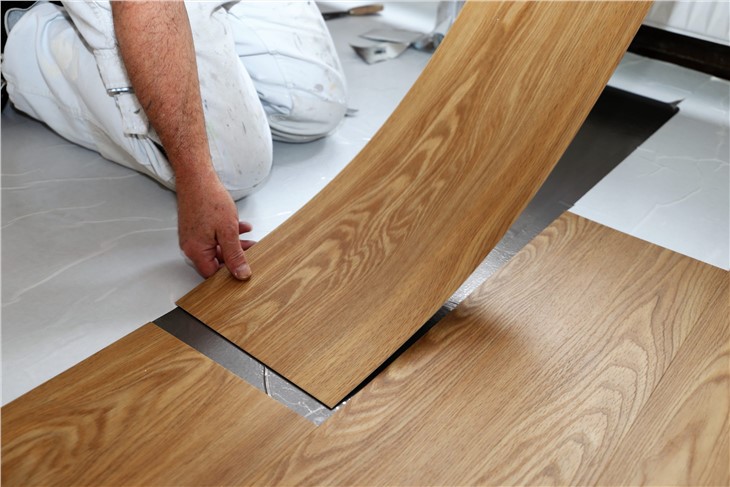
Proper installation is crucial for achieving optimal sound insulation. If the vinyl flooring is not installed correctly, there may be gaps or air pockets that can allow sound to pass through. For example, our Interior Self - adhesive Vinyl Flooring should be installed following the manufacturer's instructions to ensure a tight fit and maximum sound insulation.
3. Subfloor Condition
The condition of the subfloor can also affect the sound insulation of vinyl flooring. A smooth, flat, and well - prepared subfloor provides a better base for the vinyl floor, allowing it to perform its sound - insulating function more effectively. If the subfloor is uneven or has cracks, it can reduce the overall sound - insulating performance of the vinyl flooring.
Comparing Indoor Vinyl Flooring with Other Flooring Materials in Terms of Sound Insulation
1. Hardwood Floors
Hardwood floors are known for their natural beauty, but they are not as effective in sound insulation as vinyl flooring. Hardwood floors are solid and rigid, which means they transmit sound more easily. Footsteps on a hardwood floor can create loud echoes, especially in large rooms. In contrast, vinyl flooring can absorb and dampen these sounds, providing a quieter environment.
2. Carpet
Carpet is often considered a good sound - insulating material. It can absorb a significant amount of sound, especially when it has a thick padding. However, carpet requires more maintenance, such as regular vacuuming and occasional deep cleaning. Vinyl flooring, on the other hand, is easy to clean and maintain. It also has the advantage of being waterproof, as seen in our Waterproof Lvt Flooring, which is not the case with most carpets.
Measuring the Sound Insulation of Indoor Vinyl Flooring
There are several ways to measure the sound insulation of vinyl flooring. One common method is to use the Impact Insulation Class (IIC) rating. The IIC rating measures how well a floor reduces impact noise, such as footsteps. A higher IIC rating indicates better sound insulation.
Another important rating is the Sound Transmission Class (STC) rating. The STC rating measures how well a floor reduces airborne noise, such as voices or music. When choosing vinyl flooring, it's advisable to look for products with high IIC and STC ratings to ensure good sound insulation.
Conclusion
In conclusion, the sound insulation of indoor vinyl flooring is a valuable feature that offers numerous benefits. It enhances comfort, privacy, and durability. As a supplier of Vinyl Flooring Indoor, we understand the importance of providing high - quality products with excellent sound - insulating properties. Our LVT Vinyl Flooring, Waterproof Lvt Flooring, and Interior Self - adhesive Vinyl Flooring are all designed to meet the diverse needs of our customers in terms of sound insulation and other performance requirements.
If you're interested in purchasing indoor vinyl flooring with excellent sound insulation, we invite you to contact us for a detailed discussion. We can provide you with more information about our products, help you choose the right flooring for your specific needs, and offer professional advice on installation and maintenance.
References
- "Sound Insulation in Buildings" - A comprehensive guide on sound insulation principles and materials.
- Manufacturer's specifications for LVT Vinyl Flooring, Waterproof Lvt Flooring, and Interior Self - adhesive Vinyl Flooring.