

Are there any decking tiles that are energy - efficient?
Nov 26, 2025
Yo, what's up everyone! I'm a supplier of decking tiles, and today I wanna talk about something that's been on my mind a lot lately: Are there any decking tiles that are energy - efficient?
First off, let's break down what we mean by energy - efficient decking tiles. Energy - efficient products are those that can help us save energy in some way. For decking tiles, this could mean reducing the heat transfer between the ground and the deck, which in turn can cut down on the energy needed to cool or heat the nearby indoor spaces.
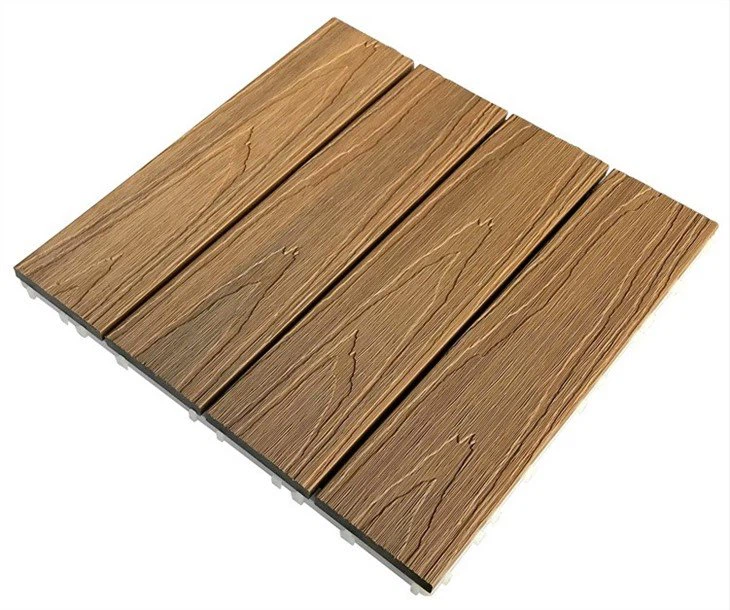
One type of decking tile that shows a lot of promise in the energy - efficiency department is the WPC Decking Tiles. WPC stands for Wood Plastic Composite. These tiles are made by combining wood fibers and plastic polymers. Now, why are they potentially energy - efficient? Well, the wood fibers in WPC decking tiles act as natural insulators. They can slow down the transfer of heat. So, on a hot summer day, your deck won't get as scorching hot as a traditional wooden or concrete deck. And in the winter, it can help keep some of the heat from seeping into the ground.
Another great thing about WPC decking tiles is that they're often designed with a hollow core. This hollow space further enhances their insulating properties. The air trapped inside the hollow core acts as an additional barrier against heat transfer. It's like having a little layer of insulation built right into your deck.
Let's talk about WPC Diy Decking Tiles. These are perfect for those of you who like to get your hands dirty and do things yourself. The DIY aspect is not only fun but can also be energy - efficient in its own way. When you install these tiles yourself, you're not relying on a big crew of workers who might use a bunch of energy - guzzling tools and vehicles to get the job done. You can take your time, use hand tools if you want, and reduce the overall energy footprint of the installation process.
Plus, WPC DIY decking tiles are relatively lightweight. This means they're easier to transport. Less weight in transit means less fuel is needed to move them from the factory to your home. And that's a win for the environment and your energy savings.
Now, Wood Plastic Composite Decking Tiles also have some other energy - related benefits. They're very durable. Unlike traditional wooden decking, they don't rot or warp easily. This means you won't have to replace them as often. Think about it: every time you replace a deck, there's a whole lot of energy involved in manufacturing the new materials, transporting them, and installing them. By choosing long - lasting WPC decking tiles, you're reducing the frequency of these energy - intensive processes.
But it's not just about insulation and durability. Some decking tiles are being designed with reflective surfaces. These reflective tiles can bounce a significant amount of sunlight back into the atmosphere. This reduces the amount of heat that's absorbed by the deck, keeping it cooler. And when your deck is cooler, it won't radiate as much heat into the surrounding area, which can help keep your home and the outdoor space around it at a more comfortable temperature.
There are also some new technologies in the works for decking tiles. For example, there are research projects looking into integrating solar panels into decking tiles. Imagine having a deck that can generate electricity while you're lounging on it! This is still in the early stages, but it shows the potential for decking tiles to become even more energy - efficient in the future.

Now, I know some of you might be thinking, "Sure, these sound great, but how do I know if they're really energy - efficient?" Well, there are a few ways to tell. You can look for products that have been tested and certified by independent organizations. These certifications usually mean that the product has met certain standards for energy efficiency. You can also ask your supplier (like me!) for data on the thermal conductivity of the decking tiles. A lower thermal conductivity means better insulation and more energy savings.
Another thing to consider is the environmental impact of the manufacturing process. When choosing decking tiles, try to find out if the manufacturer uses sustainable practices. For example, are they using recycled materials? Are they minimizing waste and energy consumption during production? All these factors contribute to the overall energy - efficiency and environmental friendliness of the decking tiles.
In conclusion, there are definitely decking tiles out there that are energy - efficient. WPC decking tiles, in particular, offer a lot of benefits in terms of insulation, durability, and reduced energy consumption during installation and transportation. If you're in the market for new decking tiles, I highly recommend considering these energy - efficient options.
If you're interested in learning more about our decking tiles or want to start a procurement discussion, don't hesitate to reach out. We're here to help you find the perfect decking solution for your needs.
References
- General knowledge on decking materials and energy efficiency
- Industry reports on the development of WPC decking tiles