

Is vinyl flooring allergen - free?
Jan 22, 2026
Is vinyl flooring allergen - free?
As a supplier of vinyl flooring, I often get asked whether vinyl flooring is allergen - free. This is a crucial question, especially for consumers who suffer from allergies or have sensitive respiratory systems. In this blog post, I aim to delve into the topic to provide you with a comprehensive understanding of the relationship between vinyl flooring and allergens.
To start, let's understand what vinyl flooring is. Vinyl flooring is a synthetic flooring material made primarily from polyvinyl chloride (PVC). It is available in various styles, including sheet vinyl, vinyl tiles, and click - together planks. The versatility of vinyl flooring makes it a popular choice for both residential and commercial spaces. It is known for its durability, water - resistance, and easy maintenance.
One of the key advantages of vinyl flooring in the context of allergies is its non - porous nature. Unlike carpets, which can trap dust, pollen, pet dander, and other allergens deep within their fibers, vinyl flooring has a smooth surface that makes it difficult for these particles to adhere. This means that regular cleaning, such as sweeping and mopping, can effectively remove most potential allergens from the floor's surface. You can find a wide range of options for Vinyl Flooring Indoor on our website, which are designed with easy - to - clean features in mind.
Moreover, vinyl flooring does not support the growth of mold and mildew, which are common allergens. Mold and mildew thrive in moist environments and can cause allergic reactions in sensitive individuals. Since vinyl flooring is waterproof, it can resist moisture penetration, reducing the risk of mold and mildew growth. Our Vinyl Adhesive Flooring Sticker Waterproof is an excellent example of a product that combines waterproofing with great design, making it a practical choice for areas prone to moisture, like bathrooms and kitchens.
However, it's important to note that while vinyl flooring itself may be relatively low in allergens, the installation process and the associated products can potentially introduce allergens. For instance, some adhesives used in the installation of vinyl flooring may contain volatile organic compounds (VOCs). These VOCs can off - gas, releasing chemicals into the air that may cause allergic reactions or respiratory irritation in some people.
To address this concern, many vinyl flooring manufacturers, including those we work with, are now producing low - VOC or VOC - free adhesives. These adhesives are designed to minimize the release of harmful chemicals while still providing a strong bond for the flooring. When selecting vinyl flooring, it's advisable to choose products that come with low - VOC or VOC - free installation options. Our Interior Self - adhesive Vinyl Flooring uses a self - adhesive backing that reduces the need for additional adhesives, further minimizing the potential for allergen exposure during installation.
Another aspect to consider is the use of additives in vinyl flooring. Some vinyl floors may contain flame retardants, plasticizers, or other additives. While these additives are used to enhance the performance and safety of the flooring, they could potentially be a source of allergens for some people. However, strict regulations are in place to ensure that the levels of these additives are within safe limits. Reputable manufacturers conduct extensive testing to ensure that their products meet or exceed safety standards, reducing the risk of allergic reactions.
In addition to its allergy - friendly properties, vinyl flooring also offers other benefits that make it an attractive choice for many consumers. Its durability means that it can withstand heavy foot traffic, making it suitable for high - use areas such as hallways, living rooms, and offices. It also comes in a wide variety of colors and patterns, allowing you to achieve the desired aesthetic for your space. Whether you prefer a modern, sleek look or a more rustic style, there is a vinyl flooring option available to suit your taste.

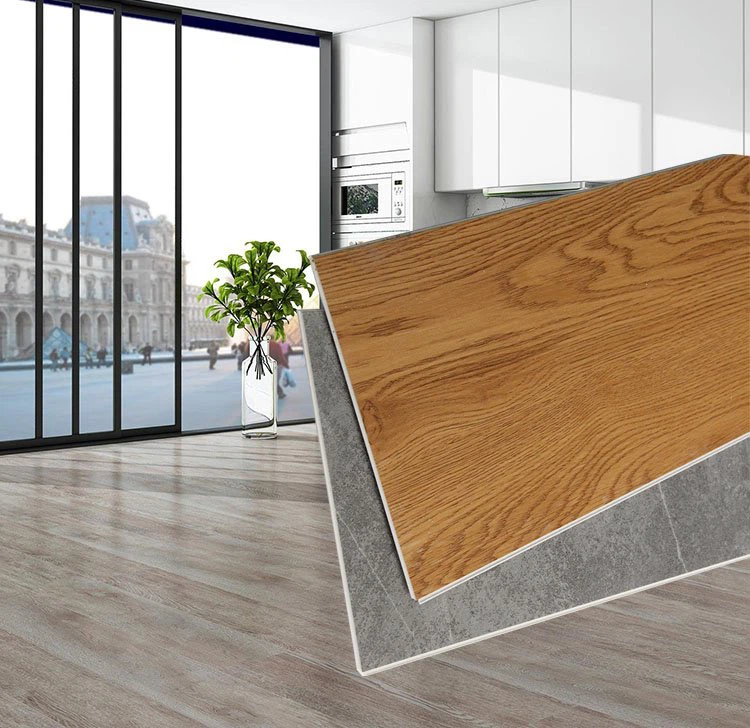
When it comes to cleaning and maintenance, vinyl flooring is a breeze. As mentioned earlier, regular sweeping and mopping can keep the floor clean and allergen - free. You can use a mild detergent for more thorough cleaning, but be sure to follow the manufacturer's instructions to avoid damaging the floor. Additionally, vinyl flooring is resistant to stains and scratches, which means it retains its appearance over time.
So, is vinyl flooring allergen - free? While it's not completely allergen - free, it offers significant advantages over other flooring materials in terms of reducing allergen exposure. Its non - porous surface, water - resistance, and easy - to - clean nature make it a great choice for allergy sufferers. By choosing high - quality vinyl flooring with low - VOC or VOC - free installation options, you can further minimize the potential for allergen - related issues.
If you're considering vinyl flooring for your home or commercial space, and you have concerns about allergies or other health - related issues, we're here to help. Our team of experts can provide you with detailed information about our products, including their allergen - reducing features. We can also assist you in selecting the right vinyl flooring for your specific needs, whether it's for a small room or a large - scale project.
We invite you to get in touch with us to discuss your vinyl flooring requirements. Contact us to start a conversation about your flooring project, and our sales team will be happy to provide you with a quote and answer any questions you may have. We believe that vinyl flooring can offer a great solution for your space, providing both style and practicality while minimizing the risk of allergen exposure.
References
- American College of Allergy, Asthma & Immunology. "Allergens in the Home."
- National Floor Covering Association. "Vinyl Flooring: A Comprehensive Guide."
- Environmental Protection Agency. "VOCs and Indoor Air Quality."