

What is the flexural strength of WPC decking tiles?
Sep 25, 2025
Flexural strength is a critical property when it comes to WPC (Wood Plastic Composite) decking tiles. As a supplier of WPC decking tiles, I've witnessed firsthand the importance of understanding this characteristic for both consumers and industry professionals. In this blog post, I'll delve into what flexural strength means for WPC decking tiles, why it matters, and how it impacts the performance and durability of these popular outdoor flooring solutions.
What is Flexural Strength?
Flexural strength, also known as bending strength, is the ability of a material to resist deformation under a bending load. In the context of WPC decking tiles, it refers to how well the tiles can withstand the weight and pressure placed on them without breaking or permanently deforming. When you walk on a deck, place furniture on it, or experience environmental factors like snow or heavy rain, the decking tiles are subjected to bending forces. The flexural strength determines whether the tiles will remain intact and maintain their structural integrity under these conditions.
Importance of Flexural Strength in WPC Decking Tiles
- Load - Bearing Capacity: One of the primary reasons flexural strength is crucial is its direct relation to the load - bearing capacity of the deck. A deck with high flexural strength can support more weight, whether it's from people, furniture, or equipment. For example, if you plan to host large gatherings on your deck or set up a hot tub, you need decking tiles with sufficient flexural strength to handle the additional load without sagging or cracking.
- Durability and Longevity: WPC decking tiles with good flexural strength are more durable and have a longer lifespan. They can better withstand the wear and tear of daily use, as well as the effects of weather and environmental factors. Over time, tiles with low flexural strength may start to show signs of damage, such as cracks or warping, which can compromise the overall appearance and functionality of the deck.
- Safety: Safety is a top concern when it comes to any outdoor structure, including decks. Tiles with inadequate flexural strength can pose a safety risk, as they may break or collapse under pressure. This can lead to injuries to people using the deck. By choosing WPC decking tiles with high flexural strength, you can ensure a safe and stable surface for your family, friends, and guests.
Factors Affecting the Flexural Strength of WPC Decking Tiles
- Material Composition: The composition of the WPC material plays a significant role in determining its flexural strength. WPC is made by combining wood fibers and plastic polymers. The ratio of wood to plastic, as well as the type of plastic used, can impact the strength of the final product. Generally, a higher proportion of plastic can increase the flexural strength, as plastic provides better resistance to bending.
- Manufacturing Process: The manufacturing process also affects the flexural strength of WPC decking tiles. Proper extrusion and molding techniques can ensure a uniform distribution of materials, which is essential for consistent strength throughout the tile. Additionally, treatments such as heat - treating or adding additives can enhance the mechanical properties of the tiles.
- Tile Dimensions: The size and thickness of the WPC decking tiles can influence their flexural strength. Thicker tiles generally have higher flexural strength, as they can better resist bending forces. However, the dimensions also need to be balanced with other factors such as weight and cost.
Testing the Flexural Strength of WPC Decking Tiles
To determine the flexural strength of WPC decking tiles, standardized testing methods are used. One common test is the three - point bending test. In this test, a sample of the decking tile is placed on two supports, and a load is applied at the center until the tile breaks or reaches a specified level of deflection. The maximum load the tile can withstand before failure is used to calculate its flexural strength.
It's important to note that different regions and industries may have different standards for acceptable flexural strength. As a supplier, we ensure that our WPC Diy Decking Tiles meet or exceed the relevant industry standards to provide our customers with high - quality and reliable products.
Comparing Flexural Strength of WPC Decking Tiles with Other Materials
When considering decking options, it's useful to compare the flexural strength of WPC decking tiles with other common materials such as wood and composite materials.
- Wood Decking: Traditional wood decking can have varying flexural strengths depending on the type of wood. Hardwoods like teak and oak generally have higher flexural strength compared to softwoods. However, wood is also more susceptible to rot, decay, and insect damage, which can reduce its strength over time. WPC decking tiles, on the other hand, offer better resistance to these issues while still providing a comparable level of flexural strength.
- Other Composite Materials: There are other composite decking materials available in the market. Some may have similar flexural strength to WPC, but WPC offers the advantage of being a more environmentally friendly option, as it uses recycled wood and plastic materials.
Choosing WPC Decking Tiles Based on Flexural Strength
When selecting WPC decking tiles for your project, it's essential to consider the flexural strength based on your specific needs. Here are some tips:
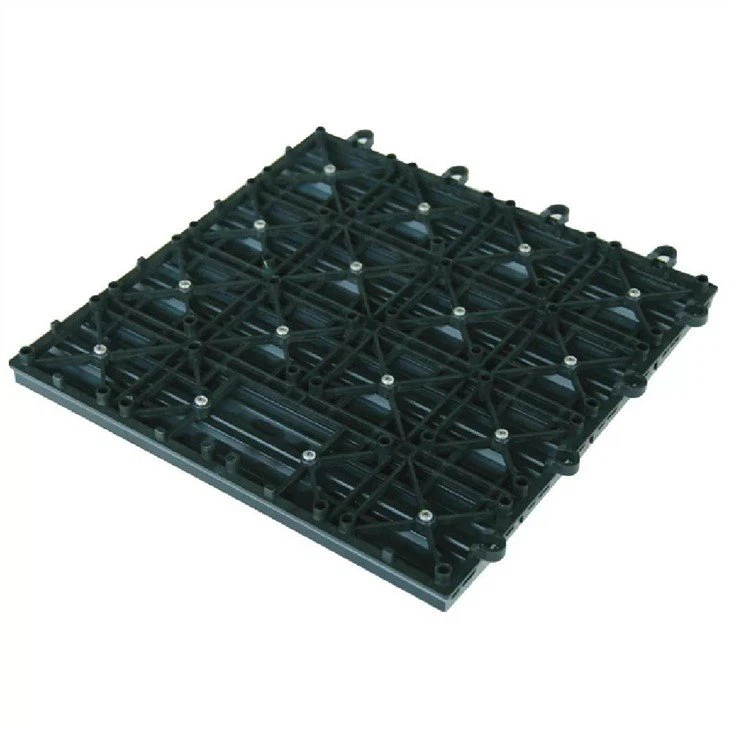
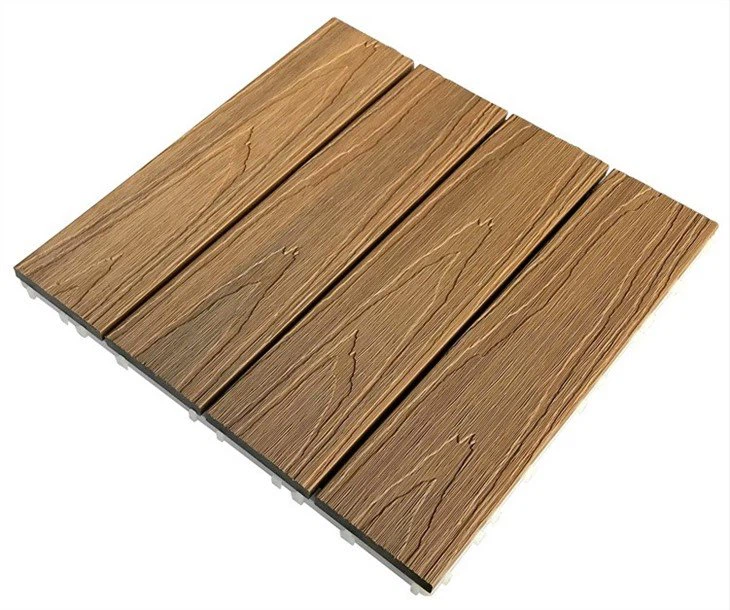
- Assess Your Load Requirements: Think about how you plan to use your deck. If you expect heavy use or large loads, choose tiles with a higher flexural strength rating.
- Check the Manufacturer's Specifications: Reputable manufacturers will provide detailed information about the flexural strength of their products. Make sure to review these specifications before making a purchase.
- Consider the Installation Method: The way the decking tiles are installed can also affect their performance. Proper installation, including the use of appropriate joists and supports, can help maximize the flexural strength of the tiles.
As a supplier of WPC Diy Decking and Wood Plastic Composite Decking Tiles, we are committed to providing our customers with high - quality products that offer excellent flexural strength. Our team of experts can help you choose the right decking tiles for your project based on your specific requirements.
If you're interested in learning more about our WPC decking tiles or would like to discuss a potential purchase, we encourage you to reach out to us. We're here to assist you in creating the perfect outdoor deck that combines beauty, durability, and safety.
References
- ASTM International. (Year). Standard test methods for flexural properties of plastics. ASTM D790.
- Wood Plastic Composite Association. (Year). Technical guidelines for WPC decking materials.