

Can indoor vinyl flooring be used in basements?
Oct 30, 2025
Hey there! As a supplier of Vinyl Flooring Indoor, I often get asked if indoor vinyl flooring can be used in basements. It's a great question, and one that I'm more than happy to dive into.
First off, let's talk about what makes indoor vinyl flooring so appealing. Vinyl flooring has come a long way in recent years. It's available in a wide variety of styles, from realistic wood-look Vinyl Plank Floor for Indoor to sleek tile designs. This means you can achieve the look you want for your basement, whether it's a cozy rustic feel or a modern, contemporary vibe.
One of the biggest advantages of vinyl flooring is its durability. It can withstand a fair amount of wear and tear, which is important in a basement where there might be more foot traffic, especially if you're using the space as a playroom, home gym, or storage area. Unlike some other flooring materials, vinyl doesn't scratch easily, so it'll keep looking good for longer.
Now, let's address the elephant in the room – moisture. Basements are notorious for having high humidity levels and the potential for water seepage. This is where a lot of people are hesitant to use indoor vinyl flooring. But here's the good news: many types of Vinyl Flooring Indoor are actually quite resistant to moisture. Some even come with a waterproof backing, which can help protect against minor spills and occasional dampness.
If you're really worried about moisture, you might want to consider Vinyl Adhesive Flooring Sticker Waterproof. These stickers are not only waterproof but also easy to install. You can just peel and stick them to the floor, and they'll create a tight seal that helps keep water out.
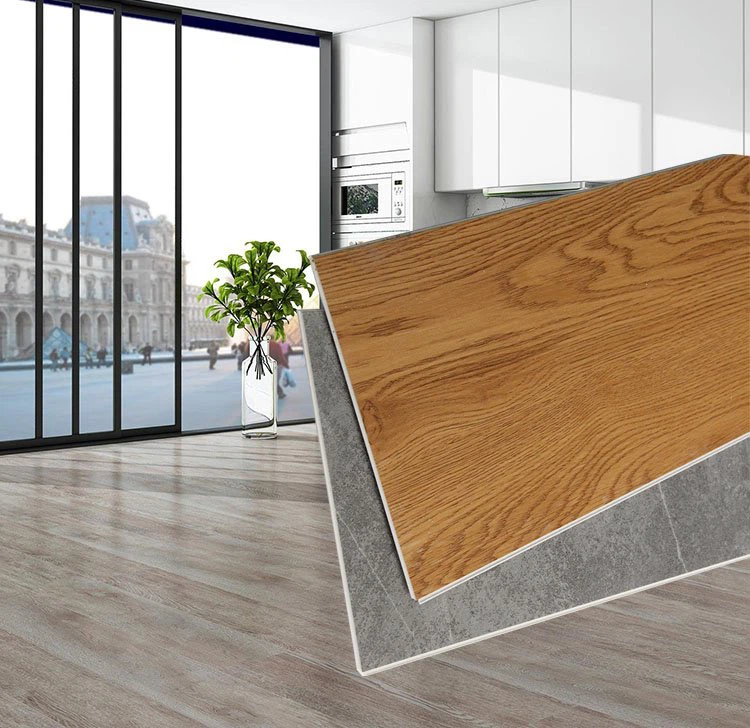

Another thing to keep in mind is insulation. Basements tend to be colder than the rest of the house, and vinyl flooring can actually help with that. It has some insulating properties, which means it can make your basement feel warmer and more comfortable. This is especially important if you're planning to spend a lot of time down there.
However, there are a few things you need to do before installing vinyl flooring in your basement. First, you need to make sure the basement is dry. Check for any signs of water damage, such as mold or mildew, and fix any leaks before you start. You might also want to use a moisture barrier on the floor to provide an extra layer of protection.
The installation process is also crucial. Make sure you follow the manufacturer's instructions carefully. If you're not confident in your DIY skills, it's a good idea to hire a professional installer. They'll know how to properly prepare the floor and install the vinyl flooring to ensure it lasts.
In terms of maintenance, vinyl flooring is a breeze. You just need to sweep or vacuum it regularly to remove dirt and debris. For spills, you can simply wipe them up with a damp cloth. And if there are any stubborn stains, you can use a mild cleaner specifically designed for vinyl floors.
So, can indoor vinyl flooring be used in basements? The answer is yes, but with some precautions. If you take the time to prepare the basement properly and choose the right type of vinyl flooring, it can be a great option for your basement.
If you're interested in using vinyl flooring for your basement or any other indoor space, I'd love to help. I'm here to answer any questions you might have and provide you with the best products at competitive prices. Whether you're a homeowner looking to upgrade your basement or a contractor working on a project, we've got you covered.
Get in touch with me to discuss your flooring needs. We can talk about the different styles, colors, and features available, and I'll help you find the perfect vinyl flooring for your space. Let's turn your basement into a beautiful and functional area with the right vinyl flooring.
References
- "Vinyl Flooring: A Comprehensive Guide." Flooring Magazine, 2023.
- "Moisture Control in Basements." Home Improvement Journal, 2022.