
How Do You Choose Plastic Wood Or Antiseptic Wood Materials?
Aug 25, 2022
Plastic wood
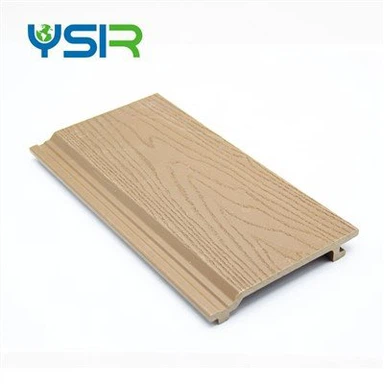
Wood plastic composites (WPC) is a new type of composite material that has sprung up at home and abroad in recent years. It refers to the plate or profile produced by using polyethylene, polypropylene and polyvinyl chloride to replace the usual resin adhesive, and mixing with more than 35% - 70% of wood powder, rice husk, straw and other waste plant fibers to form new wood materials, and then through plastic processing processes such as extrusion, molding and injection molding. It is mainly used in building materials, furniture, logistics and packaging industries. The plate formed by hot extrusion after mixing plastic and wood powder in a certain proportion is called extruded wood plastic composite plate.
Anticorrosive wood
It is to manually add chemical preservatives to ordinary wood to make it have the characteristics of anti-corrosion, moisture-proof, anti fungal, anti insect and ant, anti mildew and water-proof.
What is the difference between "plastic wood" and "antiseptic wood"?
The loss of plastic wood profile is less than that of anticorrosive wood.
Under the same construction area or volume, the loss of plastic wood is less than that of anticorrosive wood. Because plastic wood is originally a profile, it can produce materials with the required length, width and thickness according to the actual size needs of landscape engineering. The length of antiseptic wood is specified to be dead, generally 2 meters, 3 meters and 4 meters.
Under the same construction conditions, plastic wood can win more with less.
Let me make an analogy. When wood is selected for outdoor flooring, it needs about 45mm thick wood. Plastic wood only needs 25mm thick material, and its strength exceeds 45mm anticorrosive wood. In other words, if the wood used is 1 cubic meter, the plastic wood only needs about 0.5 cubic meters.
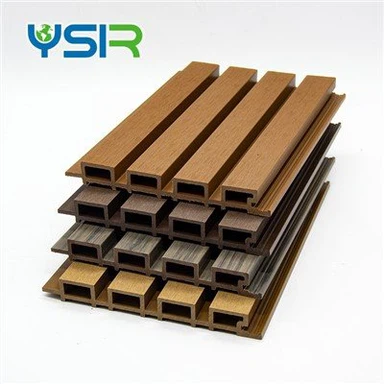
There are many hollow specifications, saving a lot of materials.
We all know that aluminum alloy doors and windows can be popularized so quickly because they are hollow profiles. If they are solid, the price will be incredibly high. The part saved by plastic wood hollow is not as high as that of aluminum alloy, but it is also relatively objective. We all know that hollow can not only reduce the weight but also increase the strength. Plastic wood can be hollow, but antiseptic wood is impossible.
The surface of plastic wood does not need to be painted.
Generally, the wood surface shall be painted or painted with water-based paint after the construction of anti-corrosion wood or during the construction process.
Plastic wood products can be maintenance free.
Due to the environmental temperature, humidity and ultraviolet radiation of the sun, the antiseptic wood generally needs to be maintained or painted within one year. In the long run, the maintenance cost of plastic wood is far lower than that of antiseptic wood products.
The service life of plastic wood can generally reach 8-9 times that of ordinary wood.
Foreign data show that plastic wood can be used for 40-80 years.