

What is the maintenance of vinyl flooring?
Jan 06, 2026
Hey there! As a vinyl flooring supplier, I've seen firsthand how awesome vinyl flooring can be. It's got this great mix of style, durability, and affordability that makes it a top pick for so many homeowners and businesses. But like any other type of flooring, vinyl flooring needs a bit of love and attention to keep it looking its best. So, let's dive into what the maintenance of vinyl flooring is all about.
Regular Cleaning
The first step in maintaining vinyl flooring is regular cleaning. This helps to keep dirt, dust, and debris from scratching the surface. A simple daily sweep or vacuuming is a good start. You don't need anything fancy – just a soft-bristled broom or a vacuum with a hard floor setting. This will pick up most of the loose dirt and prevent it from getting ground into the floor.
For a more thorough clean, you can mop the floor once a week. Use a mild, pH-neutral cleaner specifically designed for vinyl flooring. Avoid using harsh chemicals or abrasive cleaners, as these can damage the protective layer on the vinyl. You can find these cleaners at most home improvement stores or order them online. Just follow the instructions on the bottle for the best results.
When mopping, don't use too much water. Vinyl flooring is water-resistant, but excessive water can seep under the edges and cause damage. Use a damp mop, not a soaking wet one. And make sure to dry the floor thoroughly after mopping to prevent any water spots.
Spill and Stain Removal
Accidents happen, and spills are inevitable. The key is to clean them up as soon as possible to prevent staining. For minor spills like water, juice, or coffee, simply blot the area with a clean, dry cloth. If the spill has dried, you can use a mild cleaner and a soft cloth to gently scrub the area.
For tougher stains, like grease or ink, you may need to use a specialized vinyl floor stain remover. These can usually be found at home improvement stores. Before using any stain remover, test it on a small, inconspicuous area of the floor to make sure it doesn't cause any discoloration or damage.
If you're dealing with a stubborn stain, you can also try using a mixture of baking soda and water to make a paste. Apply the paste to the stain and let it sit for a few minutes. Then, gently scrub the area with a soft brush or cloth and rinse with water.
Preventing Scratches
Vinyl flooring is pretty durable, but it can still get scratched. To prevent scratches, place doormats at all entrances to your home or business. This will help to trap dirt and debris before it gets onto the floor. You can also use felt pads on the bottom of furniture legs to prevent them from scratching the floor when you move them around.
If you're moving heavy furniture, use a furniture slider or lift the furniture instead of dragging it across the floor. This will help to minimize the possibility of scratches. And if you're using a vacuum with a beater bar, make sure it's set to the appropriate height for your vinyl flooring to prevent it from scratching the surface.
Protecting Against Sunlight
Sunlight can cause vinyl flooring to fade over time. To protect your flooring from the sun's harmful UV rays, you can use curtains, blinds, or shades on your windows. This will help to block out the sun's rays and prevent fading.
If you have a large window or a lot of sunlight coming into your space, you may also want to consider using a UV - resistant film on your windows. This can further reduce the amount of UV rays that reach your vinyl flooring.
Special Maintenance Considerations
Some types of vinyl flooring, like LVT Vinyl Flooring, may require special maintenance. Luxury Vinyl Tile (LVT) is known for its realistic look and high durability. However, it can be more sensitive to certain chemicals and cleaners. Always follow the manufacturer's instructions for cleaning and maintenance to ensure the longevity of your LVT flooring.

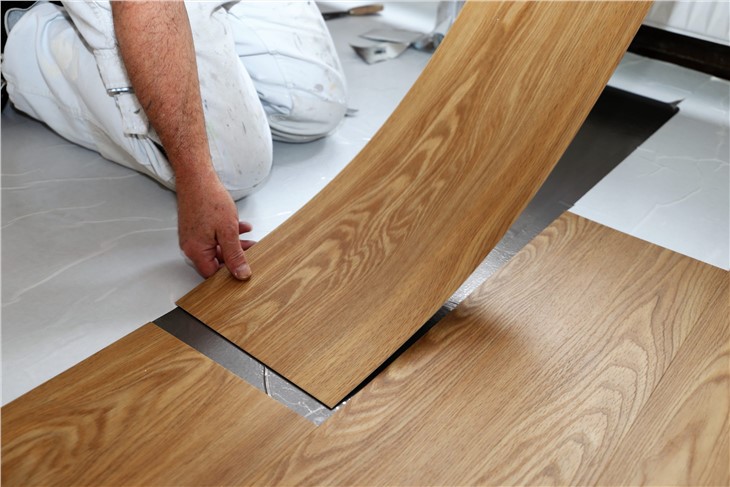
Vinyl Flooring Indoor is another popular option. It's designed for indoor use and is usually more resistant to moisture and wear than regular flooring. But it still needs proper care to stay in good condition.
Interior Self - adhesive Vinyl Flooring is easy to install, but it may need a bit more attention when it comes to cleaning. Since it's self - adhesive, you need to be careful not to use too much water or harsh chemicals that could loosen the adhesive.
Long - Term Maintenance
In the long run, you may need to consider refinishing or reapplying the protective coating on your vinyl flooring. This can help to restore the shine and protect the floor from further damage. Depending on the type of vinyl flooring and the amount of traffic it gets, you may need to do this every 3 - 5 years.
Before refinishing, make sure to thoroughly clean the floor and remove any old wax or dirt. Then, follow the manufacturer's instructions for applying the new coating. It's usually a good idea to hire a professional to do this job, especially if you're not familiar with the process.
Conclusion
Maintaining vinyl flooring isn't all that hard. With regular cleaning, prompt spill removal, scratch prevention, and protection against sunlight, your vinyl flooring can look great for years to come. Whether you've chosen LVT Vinyl Flooring, Vinyl Flooring Indoor, or Interior Self - adhesive Vinyl Flooring, taking good care of it will ensure its durability and beauty.
If you're in the market for vinyl flooring or have any questions about its maintenance, don't hesitate to reach out. We're here to help you make the best choice for your space and give you all the tips and tricks to keep your flooring in top - notch condition. Let's start a chat about your flooring needs, and we can work together to find the perfect solution for you!
References
- "Vinyl Flooring Maintenance Guide." Home Flooring Pros.
- Manufacturer's instructions for various vinyl flooring products.